This summer, we will be taking a closer look at recently added and updated academic programs at Fox Valley Technical College.
Behind every patient monitor, EKG machine and imaging system is a team of skilled professionals working to ensure critical medical equipment functions safely and reliably. Fox Valley Technical College’s new Bio-Medical Electronics associate degree program was developed to help meet the rising demand for technicians who can install, maintain and repair these systems.
One of only a handful of programs available in Wisconsin, the degree combines electronic engineering fundamentals with hands-on healthcare technology training. The program offers a unique opportunity to build in-demand technical skills while making a direct impact on patient care. Graduates leave prepared for rewarding careers in hospitals, clinics, medical device companies and other healthcare-related industries.
Here are four things to know about this program:
#1 – It’s one of only a few programs of its kind in Wisconsin.
The Bio-Medical Electronics program fills an important education and workforce gap in the state. FVTC is just the third technical college in Wisconsin to offer the degree.
“This limited availability highlights both the specialized nature of the field and the strategic importance of expanding access in Northeast Wisconsin,” says Behzad Bahraminejad, department chair of Electronic Engineering Technology.
This program’s combination of electronic engineering technology and biomedical applications helps students develop the skills needed to troubleshoot and repair electronic systems while learning how those systems are used in healthcare environments.
#2 – Students work with the same types of equipment used in healthcare settings.
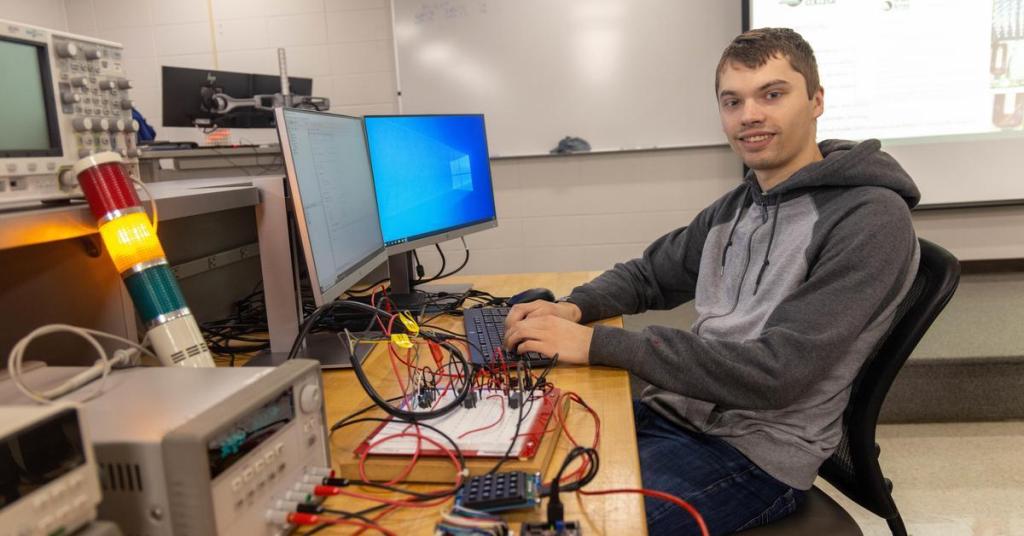
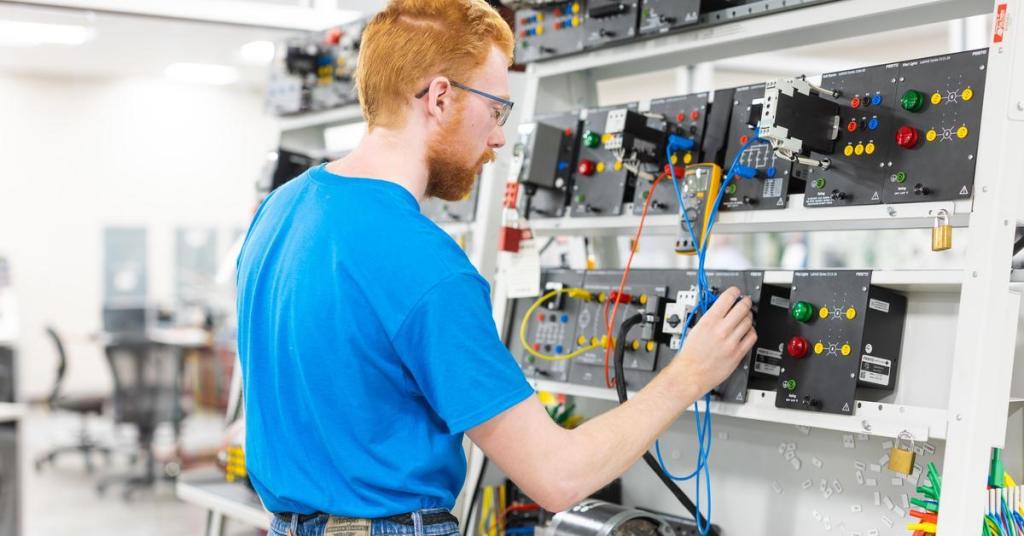
Hands-on learning is at the heart of the program. Throughout their coursework, students participate in lab experiences designed to mirror real-world scenarios they may encounter on the job.
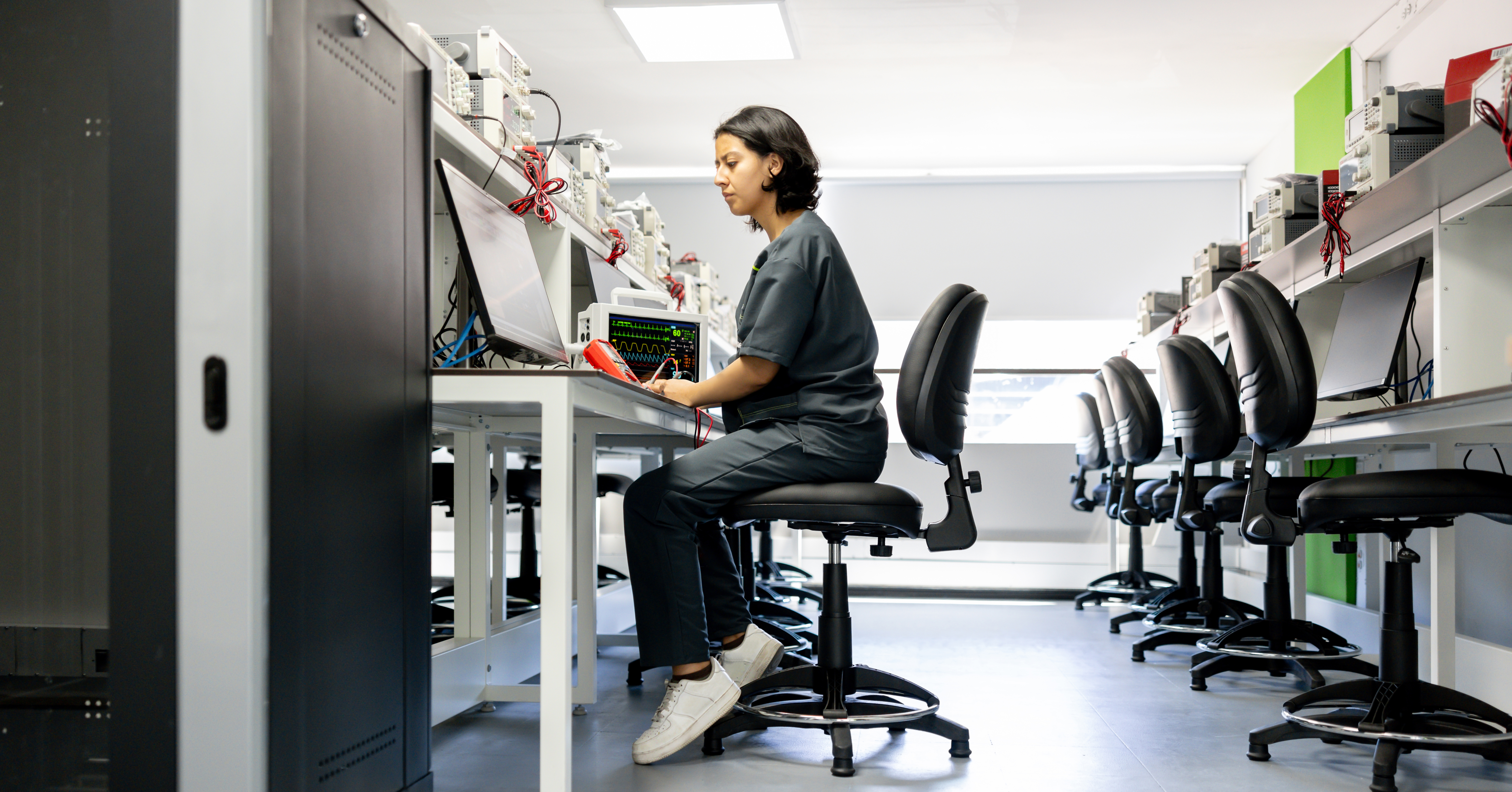
Students install and configure patient monitoring systems, test and calibrate equipment such as EKG machines, diagnose system failures and perform preventive maintenance checks. They also learn the documentation practices, safety procedures and regulatory standards required in healthcare environments.
These experiences help students build confidence working with equipment that plays a vital role in patient diagnosis, monitoring and treatment.
#3 – Graduates develop a blend of technical, troubleshooting and communication skills.
Biomedical technicians need more than strong electronics knowledge. They must be able to solve problems, communicate effectively with healthcare professionals and ensure equipment meets strict safety standards.
Through the program, students develop skills in electronic troubleshooting, circuit analysis, equipment calibration and repair. They gain experience using industry-standard diagnostic tools such as oscilloscopes, meters and power supplies while learning how to evaluate and maintain biomedical systems.
Graduates also build critical thinking and communication skills that help them collaborate with healthcare staff and translate technical information into practical solutions.
#4 – The field offers strong job demand and long-term career opportunities.
The need for biomedical equipment technicians continues to grow as healthcare providers invest in increasingly sophisticated technology. According to Behzad, there is a critical need for professionals who can maintain and repair this equipment.
From a workforce perspective:
- Employment for medical equipment repairers is projected to grow about 13% from 2024 to 2034, which is much faster than average for all occupations.
- There are expected to be over 7,000 job openings per year nationwide.
- At the same time, the field faces a talent shortage, with many current technicians nearing retirement and too few graduates entering the field.
“By launching this program, FVTC is directly addressing this regional and national workforce gap, helping to supply highly trained technicians to healthcare systems and medical equipment companies,” Behzad says.
The career path also offers significant opportunities for advancement. Professionals can specialize in areas such as imaging systems, surgical robotics and other advanced technologies, pursue certifications such as Certified Biomedical Equipment Technician (CBET), or move into engineering, supervisory and management positions.
While they work behind the scenes, biomedical technicians play an essential role in helping healthcare providers deliver safe, effective patient care. For students who enjoy technology, problem-solving and hands-on learning, the program offers a chance to build a stable, high-demand career while supporting the equipment that helps save lives every day.