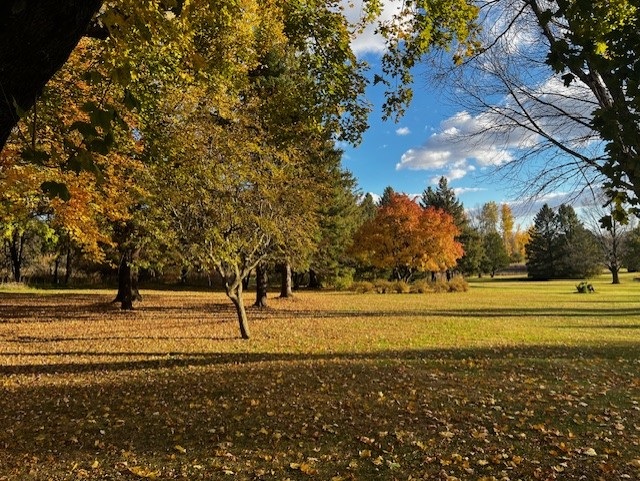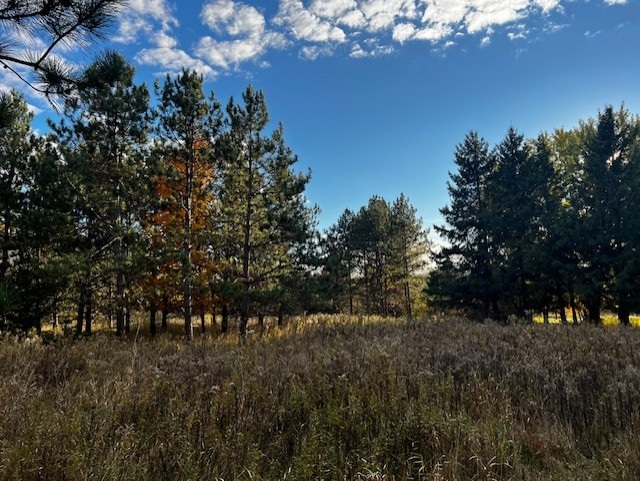
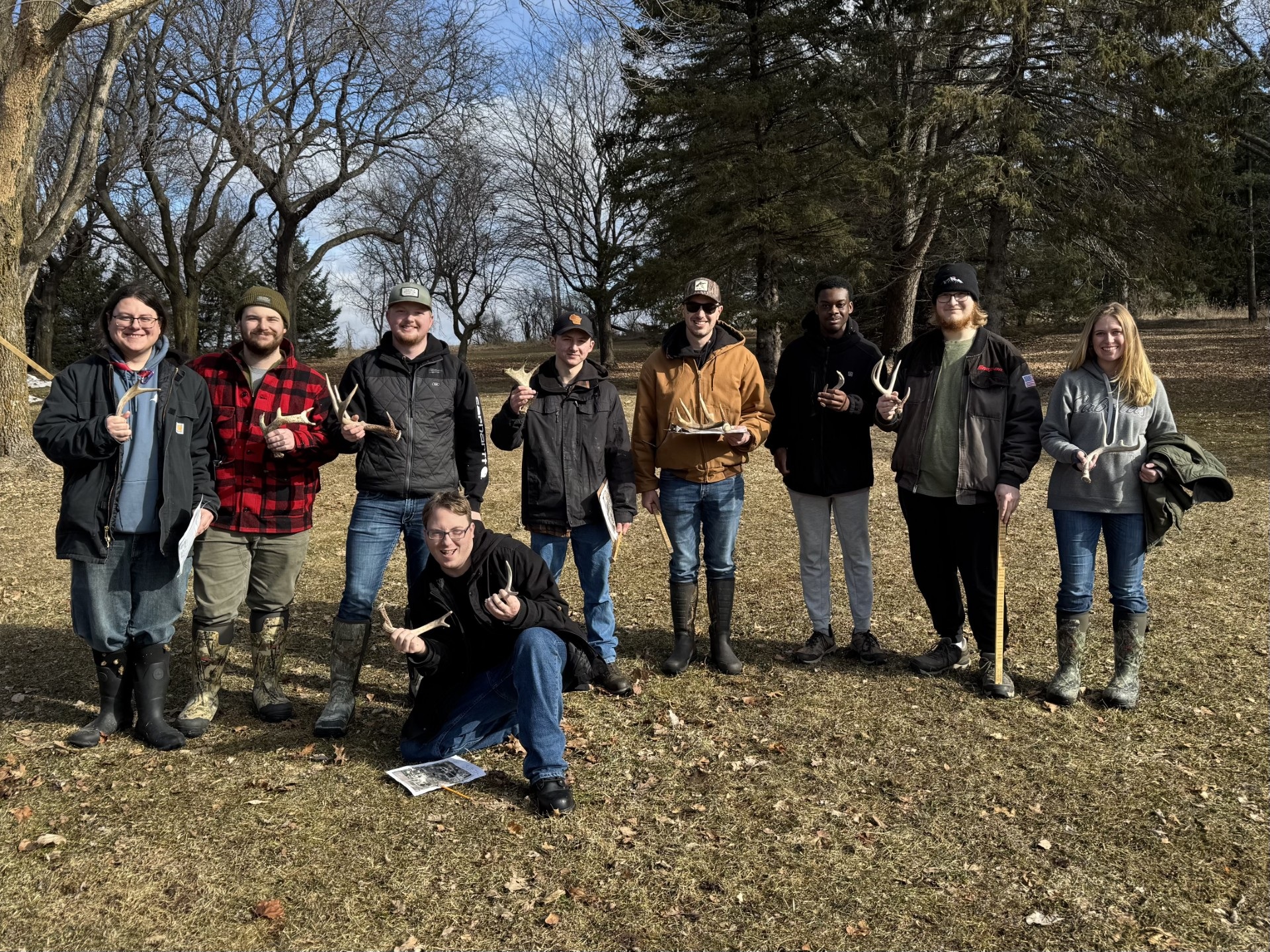
Located 15 miles from FVTC’s Appleton campus, at a bend in the road just south of Hortonville, 160 acres of land teems with life. Ponds, meadows and lush native habitats support a variety of wildlife and plants.
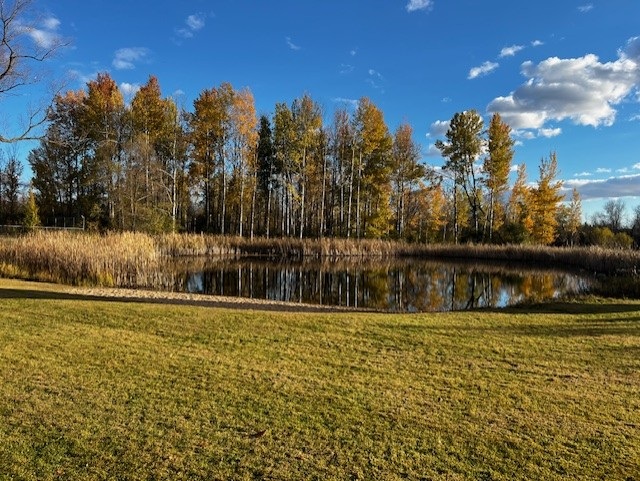
This spot has been a well-loved refuge for more than 50 years, and in January 2026, it was generously donated to the Fox Valley Technical College Foundation. The goal: keep it wild and inspire future generations of environmental stewards. While the donor wishes to remain anonymous, their vision was clear; they hoped this special place would be preserved and used as a living classroom for those committed to protecting and managing natural resources.
The plot of land – called the Z Place at the donor’s request – is an ideal site for hands-on learning and field-based instruction for the Natural Resources Technician and Wildland Firefighter programs.
“This large contiguous block of habitat contains diverse cover types, which will be ideal for hosting lab fieldwork for a wide variety of natural resource and wildland fire courses,” says Paul Groell, Natural Resources department chair. “There are forested areas, prairie, shrub-carr, wooded wetlands, multiple ponds, and a perennial stream. It’s uniquely suited for immersive, hands-on learning experiences.”
Students have already begun learning on the land for select field classes during the spring 2026 semester. “This land offers a great opportunity to expand learning in the Natural Resources program,” says student Peyton Schroeder. “While the school already does a great job getting us out to different locations for hands-on experience, this property brings everything together in one place, which makes learning more connected and efficient.”
Having a centralized location where classes can conduct labs and fieldwork will make a big difference in how students learn.
—Natural Resources student Noah Gunther
Both Peyton and fellow student Noah Gunther have spent time at the land in their lab class. “Having a centralized location where classes can conduct labs and fieldwork will make a big difference in how students learn,” Noah says. “I’m really looking forward to seeing how instructors incorporate this property into future coursework and the kinds of experiences it will provide.”
A comprehensive plan is being created that will guide both short-term and long-term use of Z Place. Future uses of the site may include fieldwork in forestry, wildlife and fisheries management, surveying, water quality, soil conservation, recreational facilities maintenance, plant identification, horticulture and wildland fire. In addition, students can explore habitat restoration, learning how to both plan and execute restoration designs.
Eventually, it is possible that the Natural Resources and Wildland Fire programs will relocate to the site on a full-time basis. “Any future growth would include thoughtfully designed facilities and equipment that support education while honoring the donor’s wish to preserve the land’s natural character,” Paul explains. “We are blessed to have received this generous donation of land that can be used to provide valuable hands-on experience for our students.”